Freshwater vs saltwater pearls
Pearls have consistently been popular among jewellery wearers and collectors. Aside from their lustre and beauty, people believed that they symbolise purity, loyalty, generosity, wealth and luck.
They can be formed in both salt and fresh water, which create a unique type of pearl. While modern advances in technology are narrowing down the differences between these two, traditionally, saltwater and freshwater pearls have quite distinct characteristics in terms of appearance, price and durability.
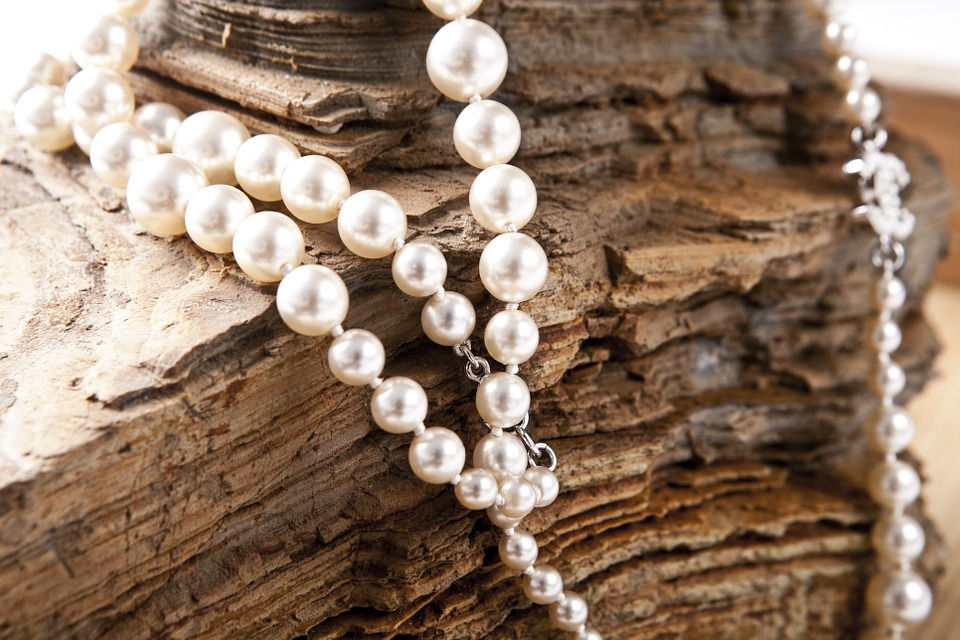
FRESH WATER PEARLS
A freshwater pearl is grown in mussels living in rivers and lakes. These are mainly cultivated in China, although Japan and the US are also leading suppliers. Once a pearl starter is inserted into the mollusc, it takes 6 to 18 months to grow.
SALTWATER PEARLS
A saltwater pearl is produced by oysters in oceans and originate from places such as Thailand, Australia, Indonesia and Tahiti. The three most common types of saltwater pearls are Akoya pearls, Tahitian pearls and South Sea pearls. The implants used to start the pearls are made of oyster shell and it takes four to six years to fully develop.
How freshwater and saltwater pearls differ
NACRE QUALITY
Freshwater pearls are durable and less prone to chipping or flaking because they have a thicker nacre coating.
Saltwater pearls have a thinner nacre coating, raging from .5mm to 6mm which can get damaged easily.

SIZE AND SHAPE
When it comes to shape, the freshwater pearls are mostly round to off round, or rice-shaped to baroque. While the saltwater pearls are generally round.
The variety of shapes is based on the type of nucleus that is implanted in the pearl-producing animal. For example, for freshwater pearls, a piece of mussel tissue can be used as an irritant whereas saltwater pearls need to have a bead nucleus, resulting in a good spherical shape.
LUSTRE AND COLOUR
The amount of lustre can easily be distinguished between these two varieties of pearls. Saltwater pearls are very lustrous and glossy because it has thin nacre unlike freshwater pearls.
Freshwater pearls can be found in a range of colours like white, pink, cream, and lilac. Saltwater pearls, such as south sea pearls, have white, silver, cream and golden colours. The natural golden colour is considered as the rarest centre stone in pearl rings.
VALUE AND PRICE
Saltwater pearls are expensive because they are not as abundant as freshwater pearls. Harvesting them takes longer. Plus, because oysters are smaller than mussels, they will not be able to produce many pearls. A single freshwater mollusc can create up to 50 pearls at a time while oysters only produce up to three!
Saltwater pearls have incredible lustre and appearance that makes them a sought after variety of pearl. This demand for saltwater pearls have caused it to have a higher price tag for consumers.


Comments